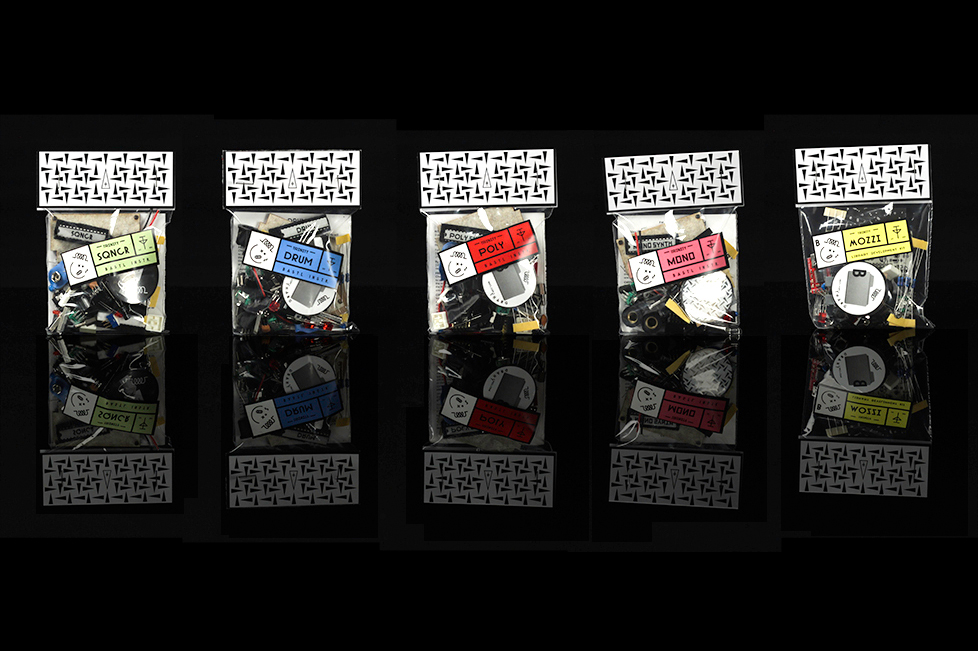
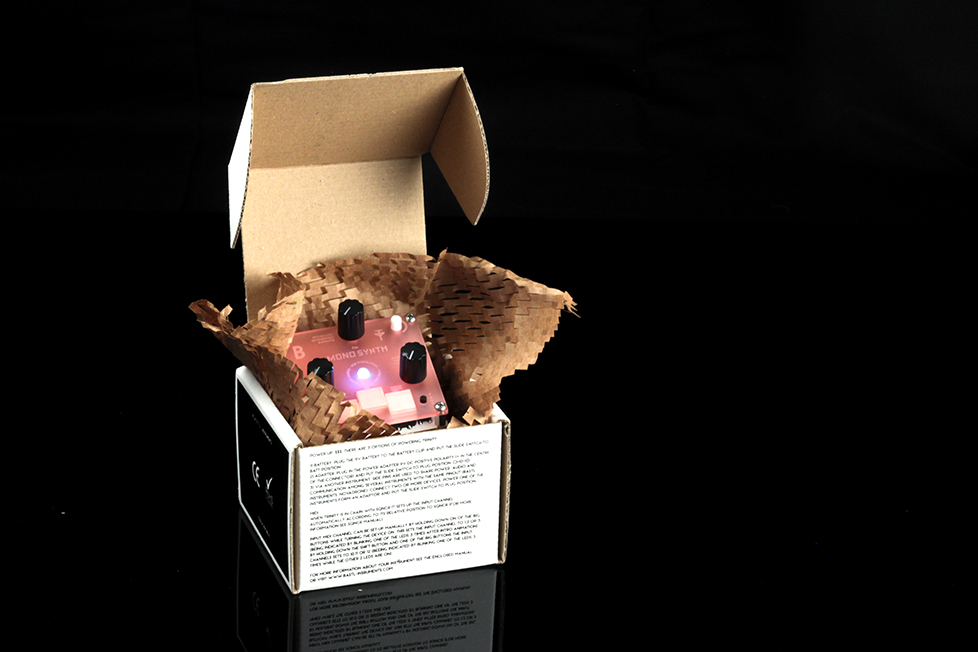
All Trinity instruments have the same price: 75 eur for the assembled instrument and 60 eur for a soldering kit (excluding VAT)
Introducing Trinity video
Features
- simple interface which makes it an intuitive musical instrument
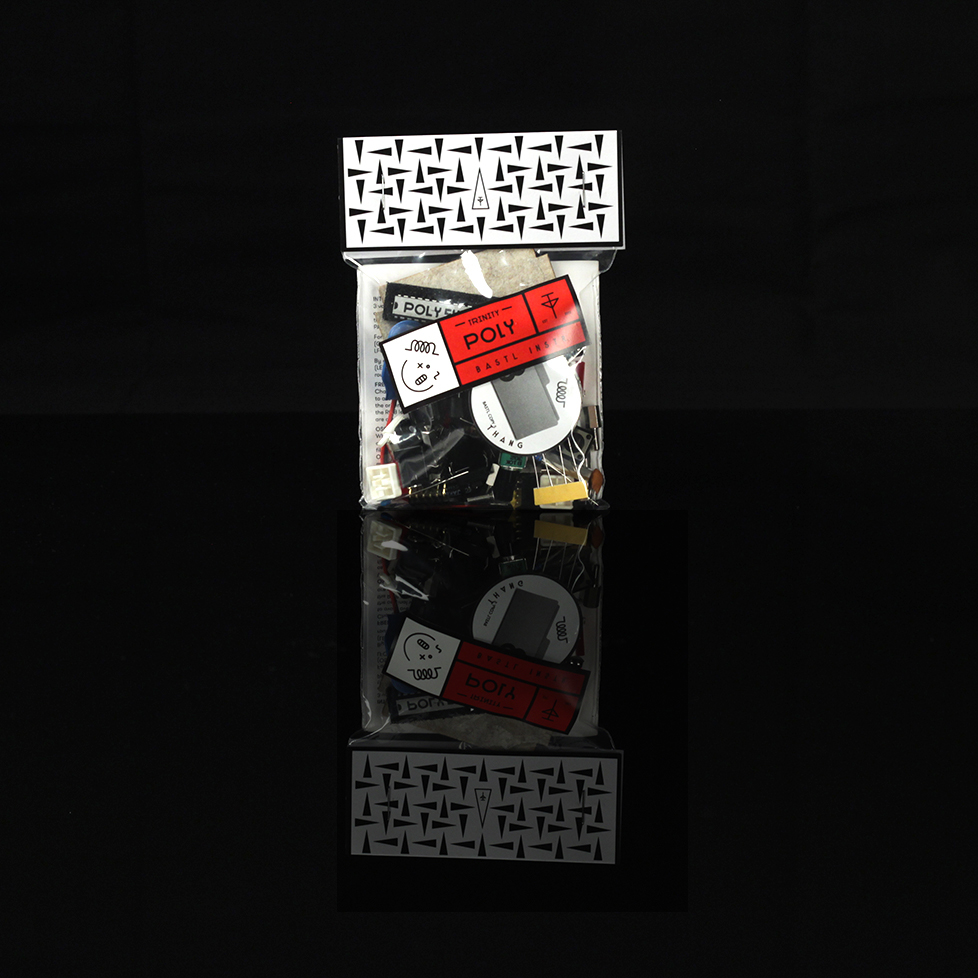
- available assembled or as a soldering kit
- MIDI native (note,CC) , MIDI jack and almost endless sync possibilities using MIDI Bastl
- software reprogrammable with Arduino (breakout for standard FTDi USB)
- hardware expandable and hackable – including breakouts for sensors or more buttons
- chain connectors for sharing power, audio and communication with more Trinity/Bastl instruments
- user memmory for storing presets and patterns (exportable, transferable)
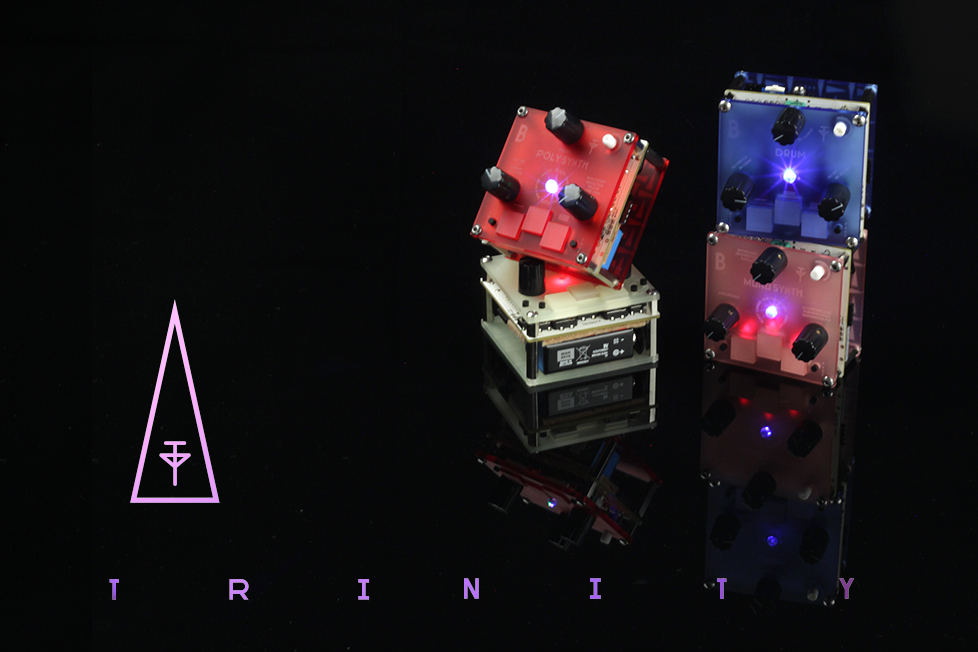
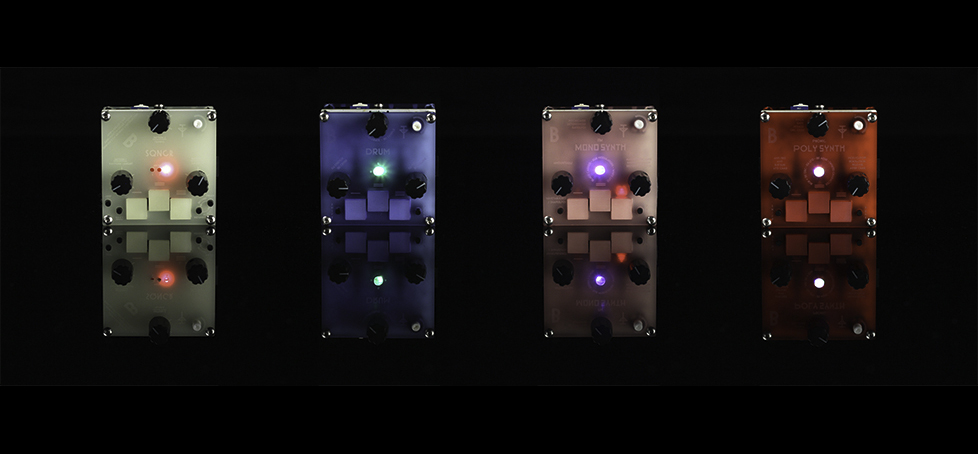
- stylish lasercut replacable enclosure with instrument labels
- adjustable volume
- mono, 16385 hz, 14 bit – double PWM sound generation
- TRS Jack 3.5mm audio output able to drive headphones
- powered from 9V battery or 9V positive polarity power supply (2.1 mm) or from the Trinity chain (use switch to select)
- running Mozzi library and Bastl library for Arduino


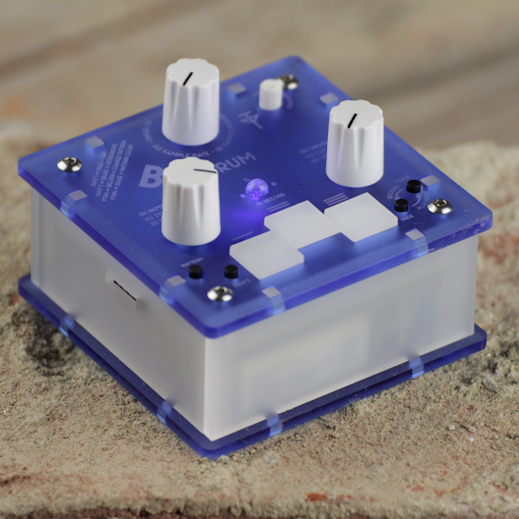
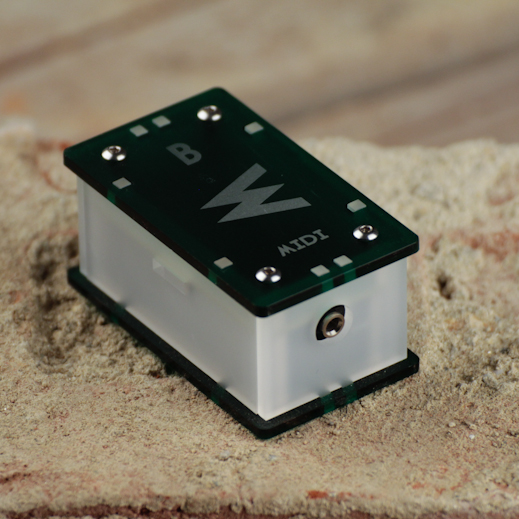

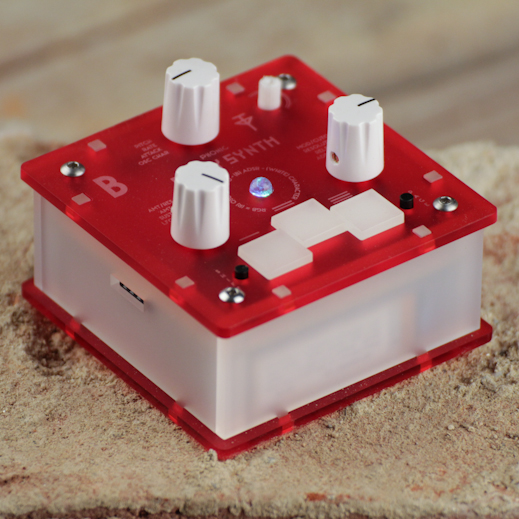
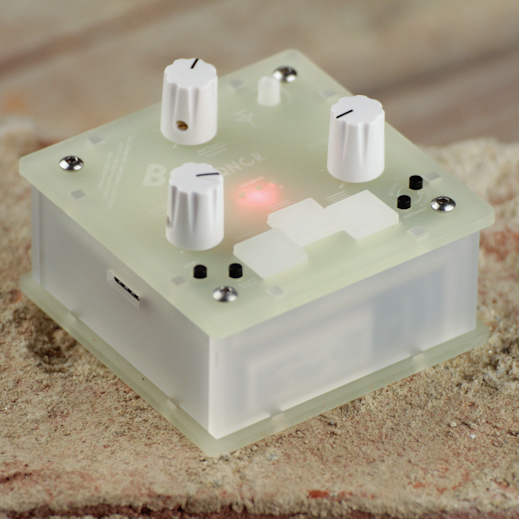
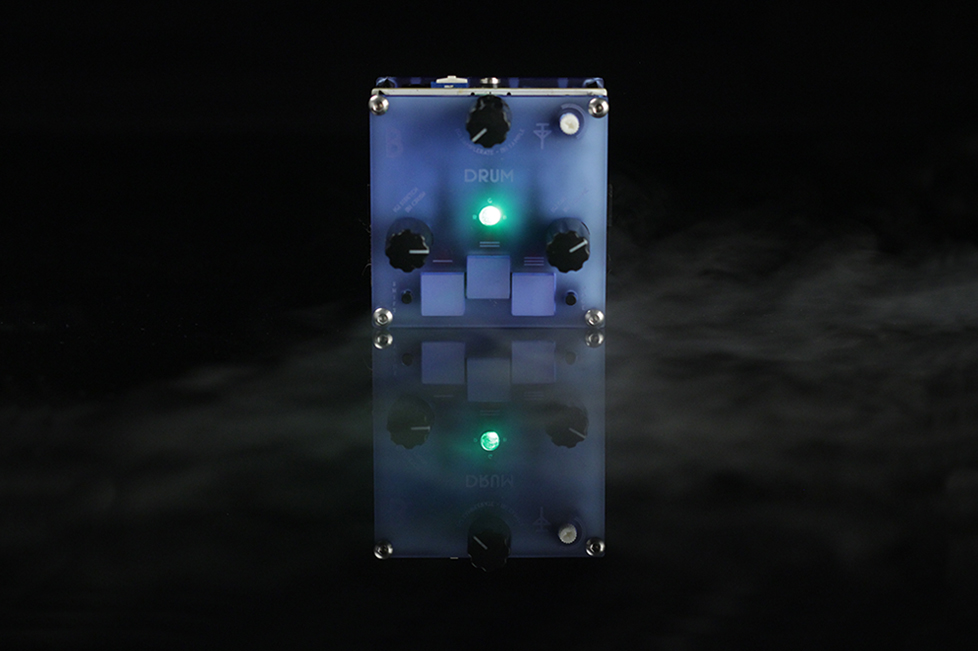
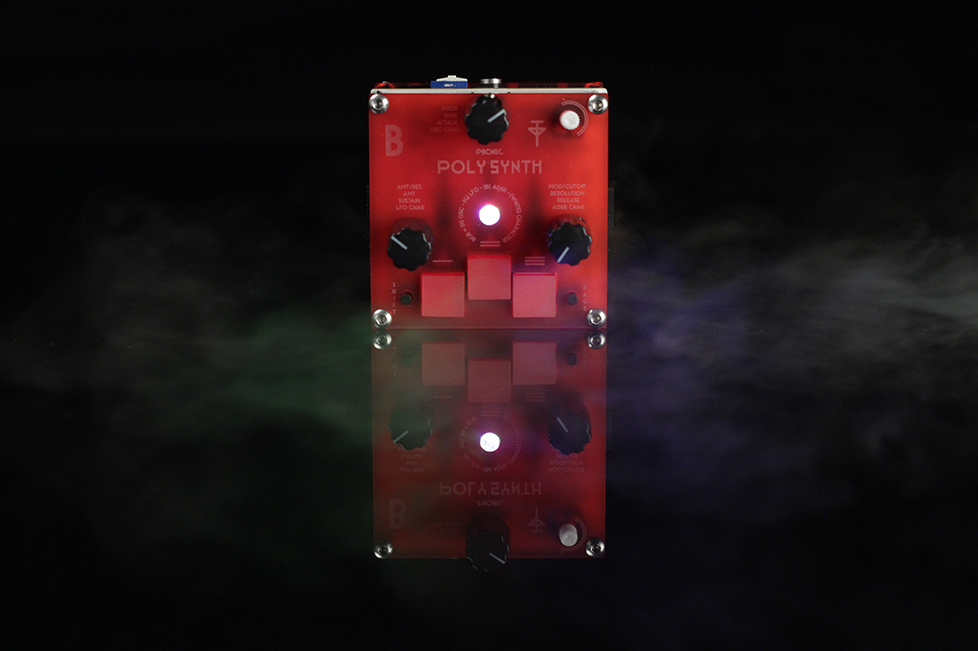
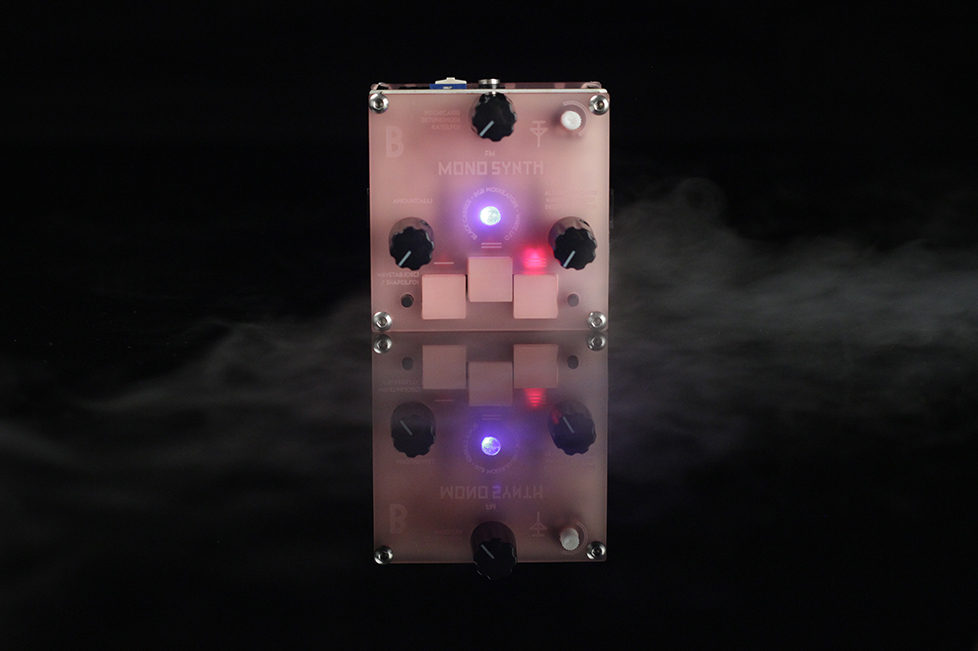




Chaining
The true power of Trinity reveals when more instruments are connected in chain which shares communication (MIDI), Audio line and power.


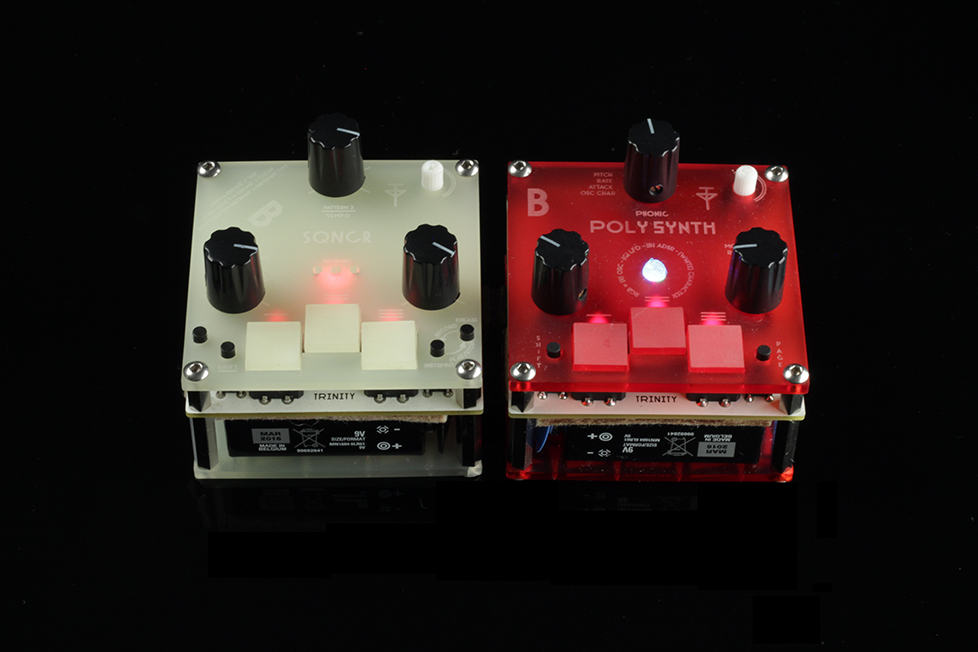
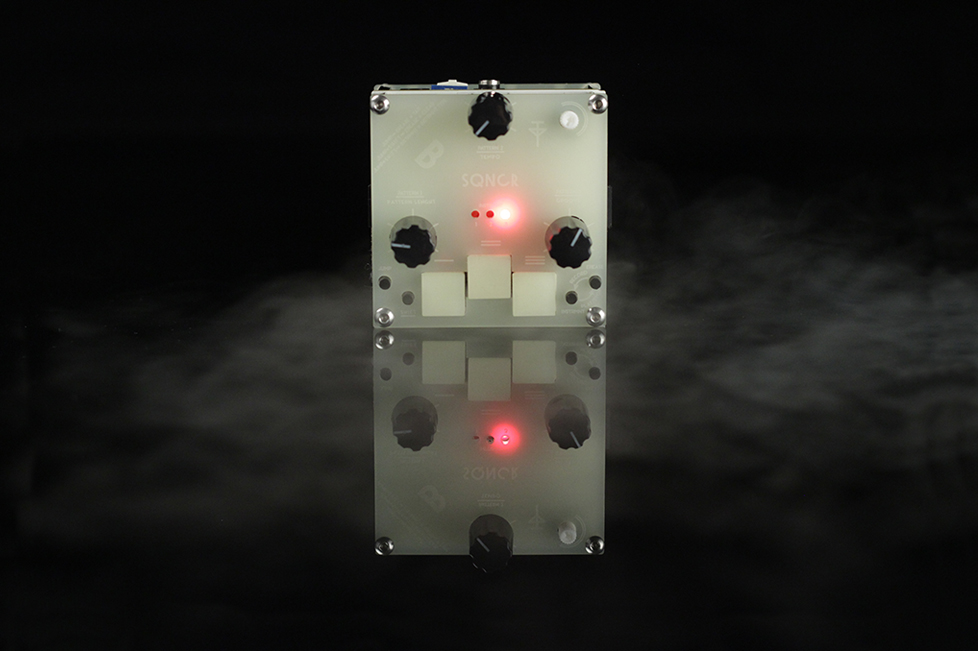
Communication: SQNCR is able to sequence 3 different Trinity instruments via MIDI protocol, which is ideal for live sequencing. All instruments have MIDI input which reads note and CC values. (We plan to make a CC automation sequencer and sensor boards sending CC.)
Audio: The chain connectors also share audio line which simply works as a passive mixer, so all instruments can be mixed directly on Trinities themselves using the volume knobs, and audio can be taken out by the rightmost jack. You can also take the audio from each device separately.
Power: The chain also shares power, so you need only one power adaptor to power the whole system. The Instruments can be powered from batteries in the chain as well.
Live performed music on Trinity
Open-source, DIY, handmade, hackable, repairable
- assembly instructions – instructable | pdf
- software hacking instructions – instructable
- Bastl library with all source codes – gitHub
- Atmega 328 chip reprogrammable by Arduino IDE (Arduino Uno compatible bootloader)
- runs Mozzi library in HI-FI mode
- runs tha latest arduino MIDI library
- schematics pdf
- midi implementation chart (you are able to add comments)
- more instructables coming soon
Trinity is a finished musical instrument as much as an empty canvas. It is open for any sort of hacks both hardware and software. You can hack the existing softwares or write your own synth software from scratch using the Mozzi library for sound output. Because Trinity is based on Arduino, you can use the whole world of it to interface literally anything with it. Hardware hackability means that you can connect sensors or motors to it or sync it to any device. The software and examples are written in structured form so you can read and change them easily.
Beyond Trinity
The field of our sonic fantasies lies beyond the algorithmically synthesized digital stuff. We are working on the development of digitally controlled analog circuitry, on mechanical output through motors and high voltage switchers, but also in implementing different sensoric and weird ways of performing. This all compatible with the Trinity chain.
List of software ideas for Trinity
- xor synth 6 voice polyphonic synth playable by MIDI (almost ready)
- mystery drone synth
- magic table oscillator synth
- algorithm+random synth
- MIDI arpeggiator
- sequencer for single Trinity instrument
- automation sequencer / LFO
- …and many more…
Hacks (documentation soon)
- sync sequencer with GameBoy Nanoloop (by led and by MIDI bastl) – done
- sync with Korg Volca by MIDI Bastl – done
- trigger analog drum sounds from SQNCR or Drum – done
- randomizer – done
- photo resistor (LDR) controlling parameters of synth – done
- exchange sounds between the same instruments – done for POLY
- cv and gate to MIDI CC and note by MIDI bastl – planned
Credits
- Casing and graphic layout was designed by Anymade Studio
- PCB designed in Fritzing
- using Arduino IDE to develop and upload the software
- using Mozzi library for Arduino
- using MIDI library for Arduino
- PCB and software by Václav Peloušek
- developed by Bastl Instruments


